
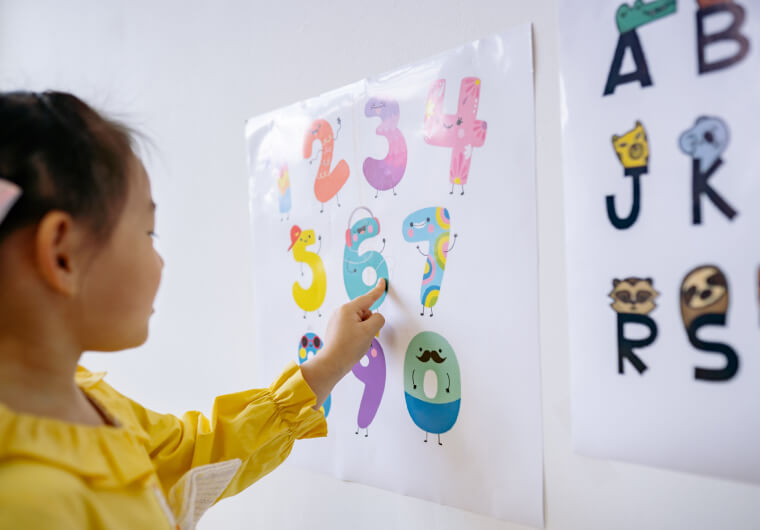
Early childhood education (ECE) is often described as one of the most important stages in a child’s developmental journey. These early years, generally from birth to age eight, are crucial because they lay the groundwork for all future learning, behavior, and health. ECE not only enhances cognitive development but also nurtures social, emotional, and physical growth. In a world that is rapidly evolving, it is more important than ever for children to have a strong foundation as they step into their future.
Cognitive Development
During the early years, a child’s brain is developing rapidly, making it the perfect time to introduce structured learning experiences. ECE programs are designed to stimulate a child’s cognitive abilities through interactive play, problem-solving activities, and early exposure to literacy and numeracy. These experiences sharpen children’s thinking skills, helping them grasp essential concepts and ideas. According to research, children who attend early education programs are more likely to succeed academically later in life. They not only perform better in primary school but also show increased ability to handle complex tasks as they grow older.
Emotional and Social Growth
One of the key benefits of early childhood education is its emphasis on emotional and social development. Through group activities, children learn how to communicate effectively, share, take turns, and cooperate with others. These early lessons in empathy and emotional regulation prepare them for the social demands of school and everyday life. ECE helps children develop a positive sense of self-worth and teaches them how to manage their emotions in a healthy way. As a result, children become more confident and resilient, skills that are critical for navigating life’s challenges.
Long-Term Academic Success
Studies have consistently shown that children who participate in quality ECE programs are better prepared for formal schooling. They enter primary school with a stronger grasp of language, math, and general knowledge. Moreover, children who receive early education are more likely to complete high school and pursue higher education. ECE instills a love for learning, making education an enjoyable and fulfilling experience from the start. By fostering curiosity and creativity, these programs help children develop a lifelong passion for learning.
Preparing Children for the Future
In addition to academic and social benefits, early childhood education prepares children for the increasingly complex world they will face. In today’s global economy, skills such as critical thinking, adaptability, and collaboration are highly valued. ECE programs focus on building these competencies from a young age. By nurturing creativity and problem-solving abilities, early education sets the stage for success in both personal and professional spheres.
Conclusion
In conclusion, early childhood education is more than just preparing children for school—it is about shaping their future. By offering a structured, nurturing environment during these formative years, ECE equips children with the tools they need to thrive academically, socially, and emotionally. Investing in early education is not just beneficial for the individual child but for society as a whole, as it helps create a generation of well-rounded, capable, and motivated individuals.