
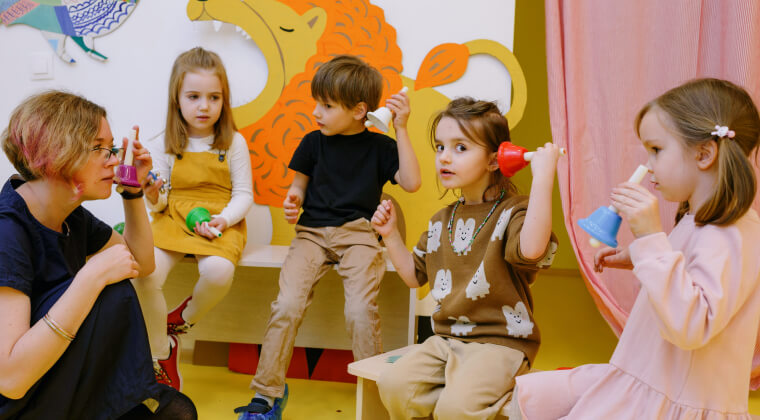
Play is often seen as an essential part of childhood, but it is much more than just fun and games. Play-based learning has become a foundational approach in early childhood education, where children engage in activities that spark their imagination and curiosity while simultaneously building essential skills. This approach is recognized for its ability to foster comprehensive development—academically, socially, emotionally, and physically.
Fostering Creativity and Imagination
One of the most significant advantages of play-based learning is its encouragement of creativity. Through imaginative play, children explore new ideas, roles, and environments. For example, when children play dress-up or create elaborate stories with toys, they are not just playing—they are learning to think critically and creatively. This kind of open-ended exploration fosters problem-solving skills as children invent solutions and experiment with different possibilities. By nurturing creativity from an early age, play-based learning builds a foundation for innovative thinking that will serve children well throughout their lives.
Enhancing Social Skills
Play is a natural way for children to develop social skills. In group play settings, children learn how to communicate, collaborate, and resolve conflicts. Whether it’s sharing toys or negotiating roles in a game, play offers countless opportunities to practice these essential life skills. These interactions teach children the importance of empathy, listening, and teamwork. Play-based learning settings are structured to encourage these social exchanges, helping children to build strong relationships with peers and adults alike.
Encouraging Independence and Confidence
Play-based learning environments give children the freedom to make choices, explore their interests, and take risks in a safe, supportive space. This autonomy is crucial for building confidence and a sense of independence. When children are encouraged to follow their curiosity and take the lead in their learning, they develop a sense of ownership and pride in their accomplishments. This helps build self-esteem, making children more resilient and willing to tackle new challenges.
Supporting Cognitive Development
While play might appear unstructured, it is actually a powerful tool for cognitive development. Through puzzles, games, and role-playing activities, children practice critical thinking and problem-solving skills. Play-based learning also promotes early literacy and numeracy. For example, when children engage in sorting games or counting objects, they are laying the groundwork for future academic success in math. Similarly, storytelling and role-playing help develop vocabulary and language comprehension. By blending play with learning objectives, children acquire these foundational skills in a way that feels natural and enjoyable.
Physical Development
Play-based learning also supports physical development. Active play, such as running, climbing, or engaging in sports, helps children develop motor skills, coordination, and body awareness. These activities not only improve physical fitness but also contribute to cognitive and emotional well-being. Through movement, children learn about their environment and how to navigate it, which is essential for their overall growth.
Conclusion
Play-based learning is a holistic approach that nurtures the entire child—intellectually, socially, emotionally, and physically. By integrating play into the learning process, children develop essential skills that prepare them for future academic success while fostering a lifelong love for learning. This approach recognizes that children learn best when they are engaged, happy, and free to explore, making it an essential component of early childhood education.